
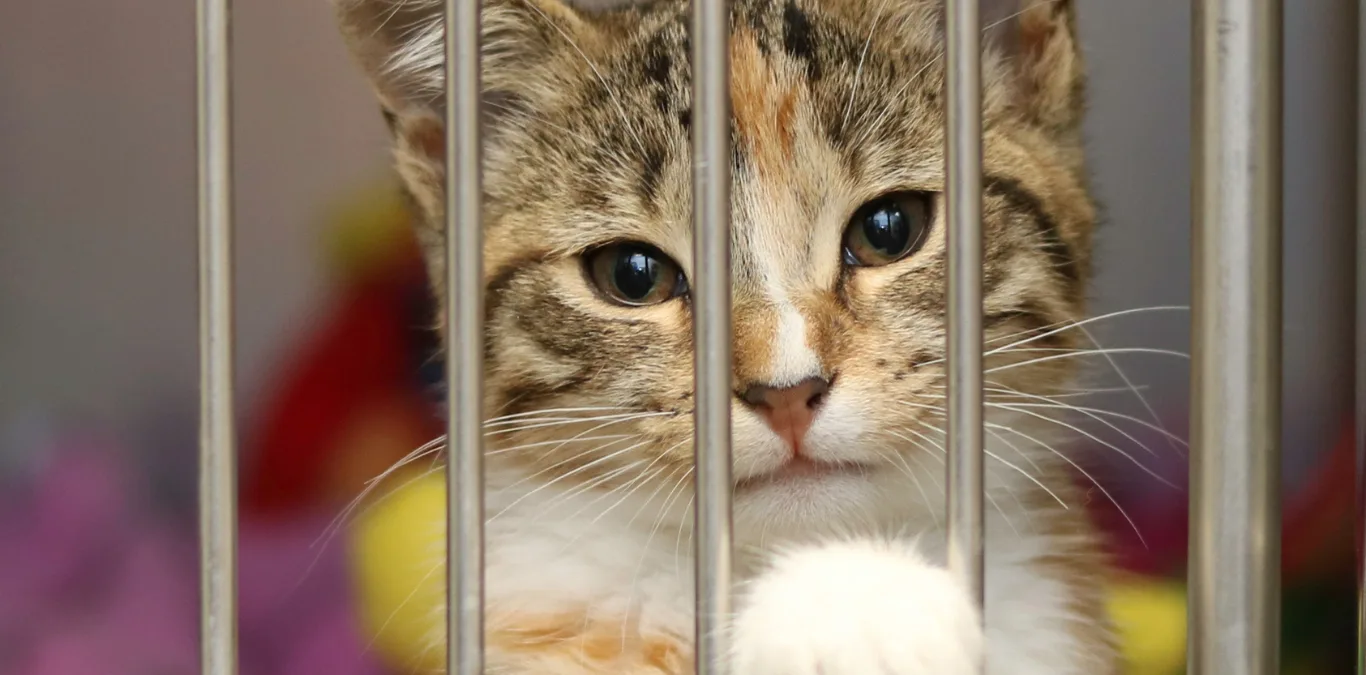
Animal restraint is an essential part of veterinary care, animal control, wildlife response, and shelter operations. Whether handling a routine examination, transporting an injured animal, or responding to a field call, proper handling helps protect the animal, the handler, and everyone involved. While every situation is different, avoiding a few common mistakes can make a safer, more efficient, and less stressful interaction for all involved.
Failing to Assess the Animal Before Restraint
One of the most common mistakes during animal restraint is rushing in without first observing the animal. A quick assessment can reveal signs of fear, pain, aggression, or injury that may affect the safest handling approach.
Before beginning, consider:
- The species and size
- Body language and behavior
- Visible injuries or medical concerns
- Surrounding hazards or escape routes
- Whether additional assistance may be needed
Taking a few moments to evaluate the situation often leads to safer outcomes and helps reduce unnecessary stress.
Using More Force Than Necessary
Successful animal restraint is about maintaining control while minimizing fear and discomfort whenever possible. Using excessive force can increase struggling, elevate stress levels, and create additional safety risks for both the animal and the handler.
The appropriate level depends on the animal’s condition, temperament, and the task being performed. Handlers should choose methods that provide the control needed without using more restraint than the situation requires.
Choosing the Wrong Animal Restraint Equipment
Not every tool is appropriate for every animal or handling situation. Selecting equipment based on the species, size, behavior, and environment can help handlers maintain control while reducing unnecessary stress and the risk of injury.
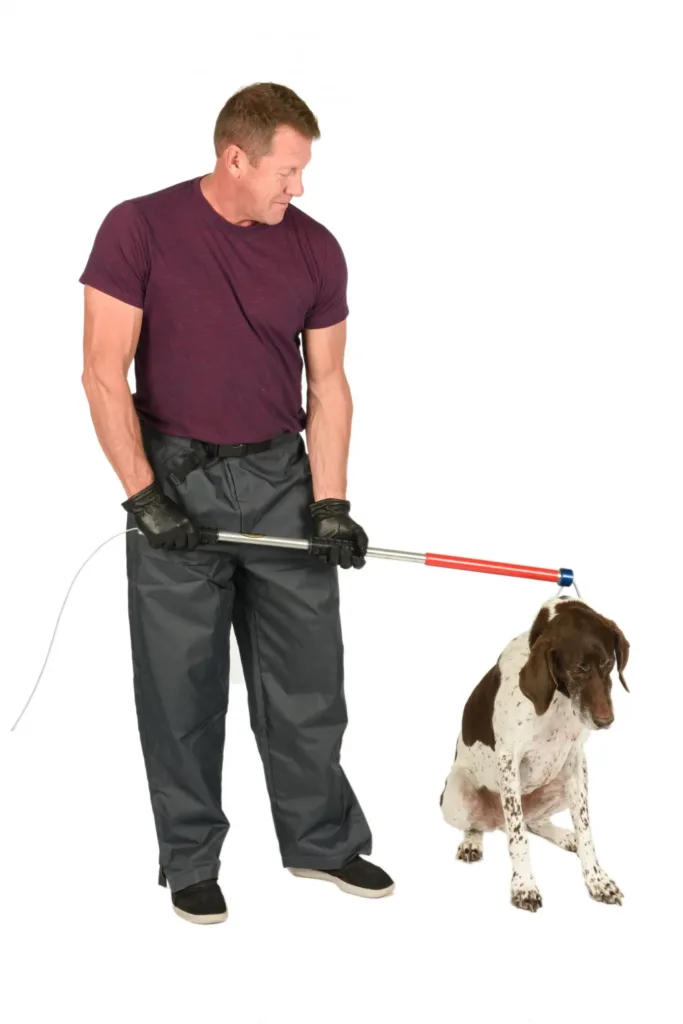
ACES offers a variety of professional handling tools, including:
- Ketch-All Catch Pole: Designed to help trained professionals maintain a safer distance while controlling animals during capture, movement, or emergency response.
- Humaniac™ Blue Guardian Glove: Provides hand and arm protection for situations involving animals that may scratch or bite.
- Folding Net by Humaniac™: A portable net that can assist with the capture and handling of smaller animals in settings where a pole or lead may not be the most practical choice.
The equipment should always fit the specific task. A tool that works well for one animal may be ineffective or unsafe for another. Proper training and careful product selection help ensure procedures are performed as safely and humanely as possible.
Skipping Equipment Inspections
Even high-quality equipment should be inspected before each use. Worn or damaged equipment can fail unexpectedly and place both handlers and animals at risk.
Before beginning an animal restraint procedure, take a few moments to inspect straps, leads, hardware, locking mechanisms, and other components for signs of wear or damage. Equipment should also be cleaned after previous use and replaced if cracks, fraying, loose parts, or other issues could affect its performance. Making inspections part of every routine helps ensure equipment functions properly when it is needed most.
Working Without a Plan
Many handling situations involve more than one team member. Before approaching the animal, it helps to decide who will handle the restraint equipment, who will assist with transport or treatment, and how communication will take place throughout the process.
Clear communication reduces confusion during animal restraint, especially when handling frightened, injured, or unpredictable critters.
Ignoring the Animal During Restraint
Once animal restraint has been established, handlers should continue monitoring the animal rather than assuming the job is complete.
Watch for changes such as:
- Difficulty breathing
- Increased struggling
- Signs of pain or distress
- Changes in responsiveness
- Equipment shifting out of position
If the animal’s condition changes, the handling method may need to be adjusted immediately. Continuous observation helps identify potential problems before they become emergencies.
Forgetting About Handler Safety
Safe handling protects people as well as animals. Depending on the situation, handlers may need protective gloves, arm guards, or other personal protective equipment in addition to proper restraint tools.
Proper training, teamwork, and appropriate equipment all contribute to reducing the risk of bites, scratches, and other injuries during animal restraint procedures.
Building Better Practices
Effective animal restraint starts long before contact is made. Careful observation, selecting the right equipment, inspecting tools, communicating with the team, and monitoring the animal throughout the process all contribute to safer handling.
ACES provides professional equipment designed for veterinary clinics, shelters, animal control agencies, wildlife professionals, and rescue organizations. Having reliable tools available helps teams respond with greater confidence while supporting safe, humane handling practices for a wide variety of situations.