
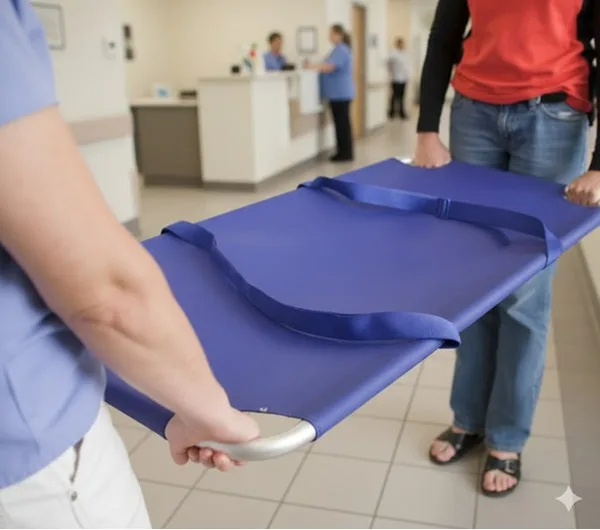
Moving an injured, weak, or anesthetized animal requires more planning than simply getting it from one place to another. An animal stretcher can provide support when they cannot safely walk or bear their own weight, while also giving handlers a more controlled way to manage the move. For animal control officers, veterinary professionals, and other care personnel, understanding when and how transport equipment can help is an important part of preparing for difficult situations.
Why Moving an Injured Animal Requires Extra Care
An animal that normally walks without assistance may respond very differently after an injury, medical procedure, or other stressful event. Pain, weakness, or disorientation can make movement difficult and may also affect behavior.
Before using an animal stretcher, handlers should assess the situation and consider:
- Its size, weight, and physical condition
- Whether it can safely support any of its own weight
- Obstacles such as stairs, tight doorways, or uneven terrain
- How many handlers may be needed for the move
- Where it is being transported
Planning the route beforehand can help handlers select appropriate equipment and avoid unnecessary adjustments once the animal has been lifted.
When Can an Animal Stretcher Be Useful?
It can be useful whenever an animal needs more body support during movement than a lead or other walking aid can provide. This may include animals that are injured, anesthetized, or otherwise unable to move comfortably on their own.
Using an animal stretcher also provides handlers with designated carrying points instead of requiring them to lift an animal directly. Depending on the situation, multiple handlers may be necessary to distribute the animal’s weight and maintain control throughout the move.
Choosing an Animal Stretcher by Size and Capacity
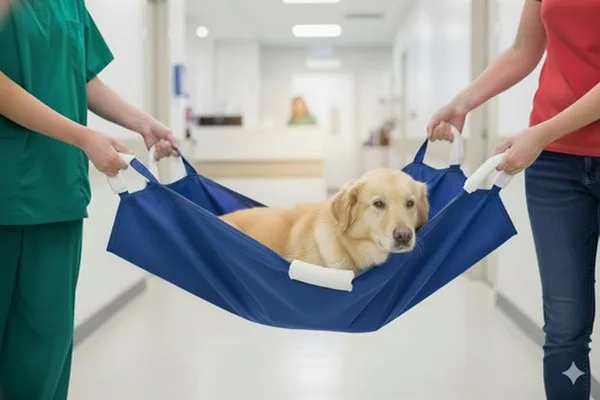
Weight capacity is an important consideration. At ACES, we offer Soft Stretchers in several sizes for moving injured or anesthetized animals:
- Small: Supports up to 45 pounds
- Medium: Designed for animals weighing 45 to 100 pounds
- Large: Supports animals weighing 100 to 150 pounds
- Framed Hospital Stretcher: Supports up to 120 pounds
Our Soft Stretchers are made from heavy-duty, washable nylon pack cloth and include padded handles to make carrying more manageable. Having multiple sizes allows professionals to select the right product suited to the animal being moved.
A Stretcher Designed for Field Rescue

Field conditions can present different challenges than moving an animal inside a veterinary or shelter environment. The ACES Field Rescue Stretcher is designed for transportation and supports weight up to 300 pounds.
This animal stretcher features a heavy-duty steel frame, attachable wheels, and a breathable mesh cover with buckles to help secure the animal during transportation. A slip-resistant PVC bottom provides an easy-to-clean surface, while the stretcher folds in half for more compact storage when it is not being used.
These features can be particularly practical when equipment needs to be transported to and from field response locations.
When a Sling May Be the Better Option
An animal stretcher is not the only option for animals that need assistance. Some can still use their legs but need help supporting part of their body weight.
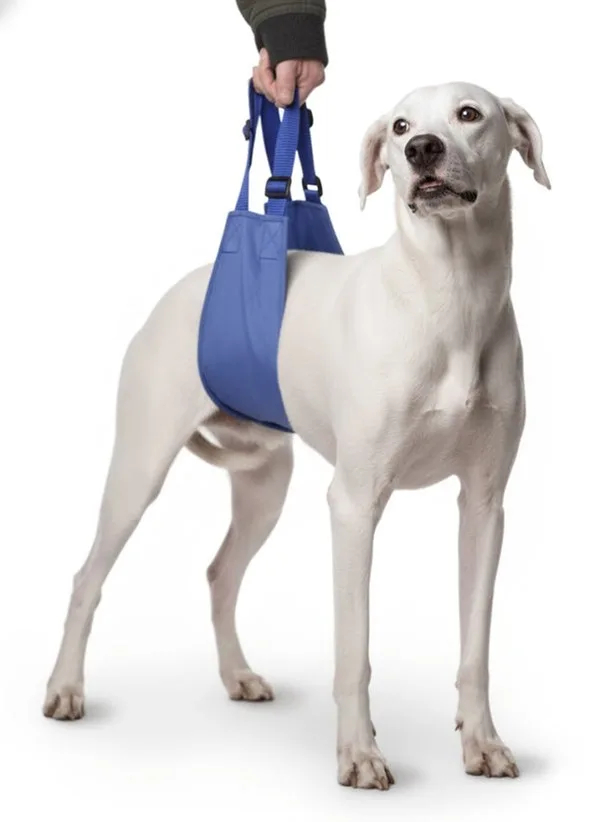
Our Soft Quick Lift Sling is designed for after-surgery, injury, or age-related physical therapy. It allows a handler to support some of the weight while the front or hind legs are exercised with reduced weight stress. The sling is made from washable nylon pack cloth and is fleece-lined for additional stability and comfort.
This makes a sling different from a stretcher, which provides broader support when an animal needs to be carried rather than assisted while using its legs.
Preparing for Safe Transport
Choosing a product starts with understanding the animal and the situation. Weight capacity, available space, terrain, portability, and the amount of support required should all be considered before movement begins.
At ACES, we offer multiple animal stretcher and sling options for different care and transport needs. Having appropriate equipment ready gives professionals more options when an injured, anesthetized, or mobility-limited animal needs assistance getting from one location to another.