
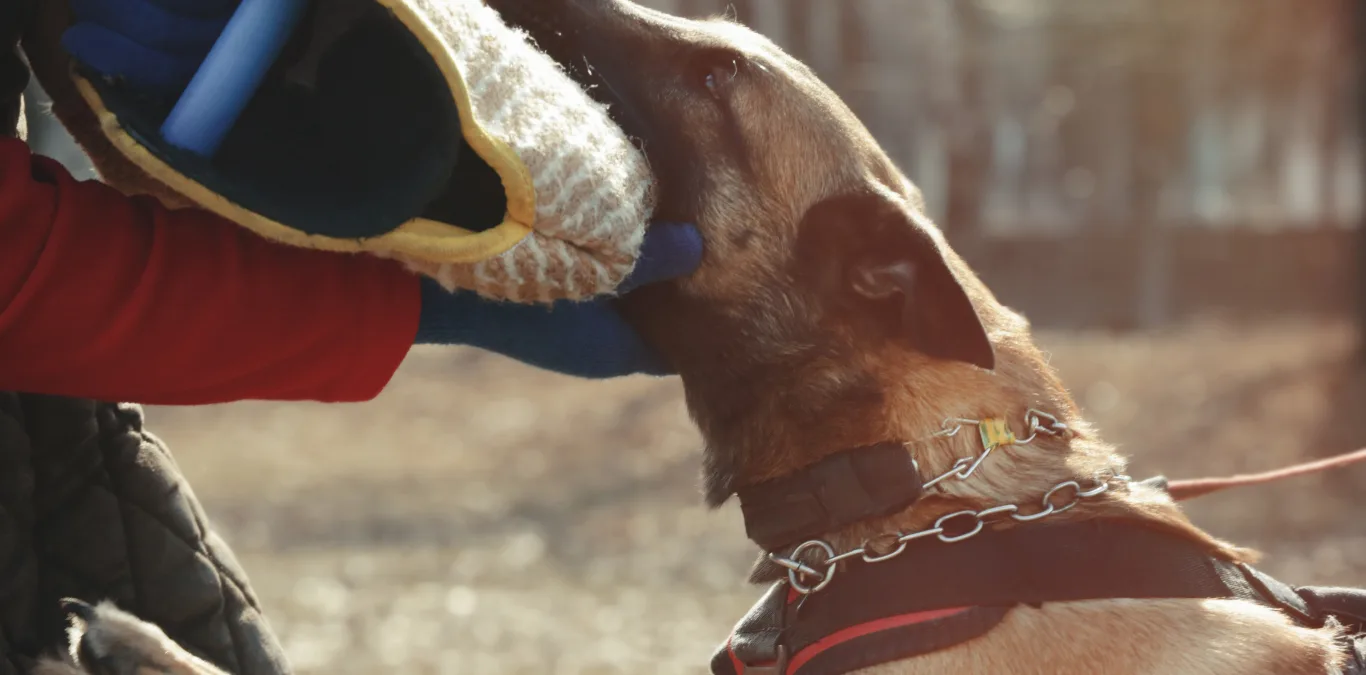
Working closely with animals carries inherent risk, even for experienced professionals. Bites, scratches, and sudden movements can happen during routine tasks like intake, transfers, or medical restraint. That’s why animal handling gloves and other equipment play such a critical role in safety planning across veterinary clinics, shelters, and field operations. As part of a broader approach to personal protective equipment animal care, gloves help protect handlers while supporting calmer, more controlled interactions.
Effective protection doesn’t replace skill or training—but it does reduce injury risk and increase confidence when working in unpredictable situations.
Why Safety Gear Matters in Daily Handling
Whether dealing with frightened pets, stressed strays, or aggressive dogs, handlers often operate in environments where conditions change quickly. Poor lighting, tight spaces, and high stress can escalate situations in seconds. The right personal protective equipment animal care helps reduce the severity of injuries and allows staff to respond more thoughtfully instead of reactively.
Protective gear also supports humane outcomes. When handlers feel safer, they’re more likely to remain calm, use proper technique, and avoid rushed decisions that could increase stress for everyone involved.
A Field-Tested Perspective from Dr. James W. Crosby
Few people understand these risks better than James W. Crosby, a Certified Behavior Consultant–Canine (CCPDT) and recognized authority on dangerous dogs and canine aggression in the United States and Canada. Jim has investigated 20 fatal dog attacks on humans, evaluated more than 40 dogs involved in fatal incidents, and served as Division Manager for Bay County (FL) Animal Control from 2008 to 2010. He is also a Florida Certified Animal Control Officer and continues to train animal control officers, police, and investigators nationwide.
Regarding ACES safety gear, Jim has stated:
“I still use and love the products. They keep me safe with the problem dogs I deal with. I have also recommended the products to many friends and colleagues, and they have told me how they have been saved by the pants and gloves.”
His experience underscores why protective equipment is not optional—it’s a foundational part of responsible handling.
Choosing the Right Animal Handling Gloves
Not all gloves offer the same level of protection. Effective animal handling gloves should balance safety with dexterity, allowing handlers to maintain grip and control while reducing the risk of punctures or lacerations.
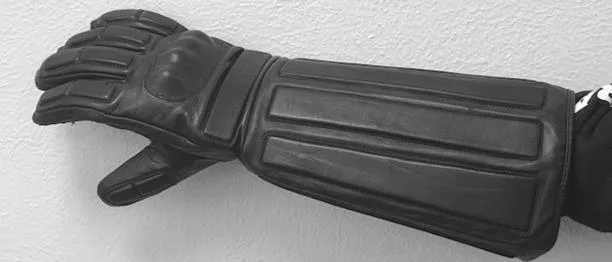
Key features to look for include:
- Puncture- and scratch-resistant materials
- Extended cuff or forearm coverage
- Flexible construction that allows hand movement
- Easy cleaning and durability for repeated use
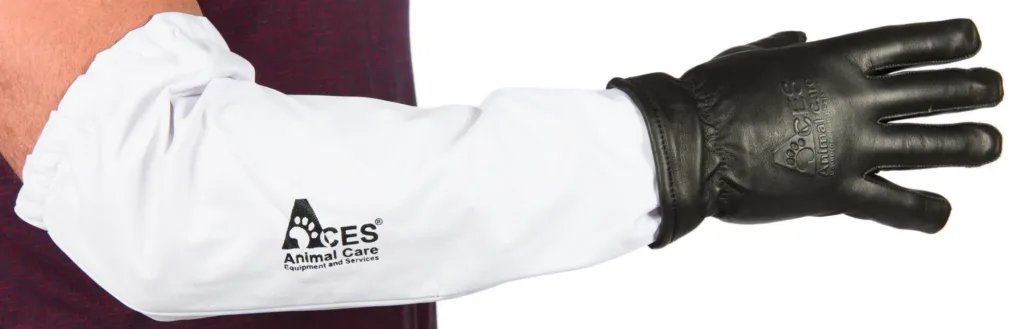
We offer a range of professional-grade options designed for real-world use. Because bites and scratches often occur above the wrist during close restraint or sudden movement, pairing gloves with forearm protection adds an important layer of safety and reduces injury risk. For this added coverage, many professionals rely on arm protector sleeves by Humaniac, which are designed to protect the forearm while maintaining mobility during hands-on handling. You can view the full selection of animal handling gloves and sleeves here, which are used by shelters, clinics, and animal control teams worldwide.
Lower-Body Protection Completes the Safety System
Hands aren’t the only area at risk during close contact. Many bite incidents occur at knee or thigh level, especially when dogs lunge or react defensively. That’s why gloves work best when paired with additional protective apparel.
The Safety Outer Pants by Humaniac are designed to provide bite-resistant coverage for the lower body without restricting movement. Used alongside gloves, they form a more complete personal protective equipment animal care system that supports safer outcomes during restraint, transfers, and kennel work.
Building a Practical PPE Standard
Protective gear is most effective when it’s part of a consistent protocol. Facilities should define when gloves are required, how gear is inspected, and when replacements are needed. Training staff on proper use is just as important as selecting the right equipment.
A baseline setup often includes:
- High-quality handling gloves
- Bite-resistant outer pants for higher-risk interactions
- Distance tools such as poles or barriers when appropriate
This layered approach helps reduce injury risk while maintaining humane handling standards.
Safety That Supports Better Outcomes
Protective equipment doesn’t just safeguard handlers—it supports better care overall. When staff feel protected, they can focus on technique, communication, and calm decision-making. With reliable animal handling gloves and thoughtfully chosen personal protective equipment animal care, teams create safer environments for both people and the animals they serve.
Here at ACES, we continue to support this work by providing field-tested gear trusted by professionals who face these challenges every day.