
Providing compassionate care doesn’t end when an animal’s life comes to an end. In veterinary settings and shelters, thoughtful and respectful animal handling practices extend to aftercare, ensuring dignity, safety, and comfort for both staff and grieving loved ones. Whether preparing for cremation, transport, or memorialization—including the selection of pet cremation urns—understanding the proper steps and tools involved can help make difficult circumstances a little easier.
At animal care facilities, clear protocols and proper equipment are essential—not only for logistics but also for maintaining professionalism and empathy during emotionally challenging moments.
The Importance of Respectful Aftercare
After a companion animal passes, facilities must handle remains with care, safeguard hygiene, and provide options that support families’ wishes. In veterinary practice, the transition from clinical care to aftercare is a critical part of service and client communication. According to pet care experts, options such as private or shared cremation are often discussed with pet owners to help them choose what best honors their companion’s life. The chosen aftercare option influences how remains are handled, stored, and ultimately returned to the family.
Good animal handling during this process means ensuring the body is respectfully transported and stored, maintaining cleanliness, and honoring any special wishes from the family. This requires clear procedures, skilled staff, and the right supplies to maintain dignity at every step.
Cremation: What Families Should Know
One of the most common aftercare choices for pets is cremation. In this process, the body is reduced to cremated remains, which may then be returned to the family or respectfully interred. Veterinarians or cremation providers may offer communal cremation—where remains are not returned—or private cremation, where the individual pet’s ashes are given back to the client. Both options respect the animal’s life; private cremation provides owners with the opportunity to memorialize their companion in personal ways.
After the cremation process is complete, the remains are typically processed into a fine ash and placed into pet cremation urns or other designated containers chosen by the family or facility. Some veterinary teams coordinate the return of cremains directly to their clinic or a designated pickup location, helping provide comfort, clarity, and closure during a challenging time.
Equipment That Supports Respectful Aftercare
Having the right tools available in a clinic, shelter, or aftercare facility helps ensure that every step of this delicate process is done with care and professionalism. ACES offers practical solutions to support respectful handling and memorial preparation:
- Cadaver Bags – Heavy-duty polyethylene bags help safely contain and transport remains between facilities or prior to cremation, giving staff a secure way to handle this sensitive task.
- Pet Cremation Urns – These urns are designed to hold returned cremated remains. They include a secure container with a place for a pet’s photo or personalization, helping families create a lasting keepsake.

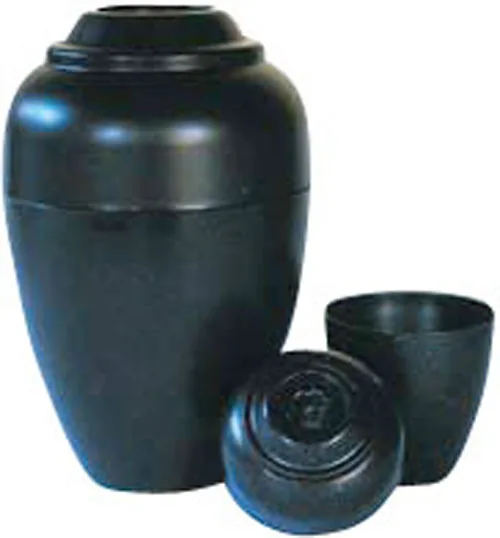
These items help maintain hygienic standards, protect staff from exposure, and support families in forming meaningful memorials.
Best Practices for Aftercare Handling
Thoughtful aftercare starts with clear internal protocols that address both the physical process and emotional needs involved:
- Label and log every case – Proper identification at each stage prevents errors during transport and cremation.
- Maintain cleanliness – Use appropriate containment tools and sanitation practices to uphold safety standards.
- Communicate clearly – Provide families with transparent information about their options, timelines, and what to expect.
- Respect personal preferences – Some families may want to personalize urns, select memorial items, or choose a specific type of cremation. Accommodating these requests helps honor the memory of their companion.
By following structured aftercare procedures and using reliable tools, caregivers can ensure that dignity and respect remain at the center of their work.
Continuing Care Through Comfort and Respect
Handling aftercare with professionalism, safety, and empathy reflects well on any veterinary team or shelter. Thoughtful animal handling practices extend beyond life to honor the bond between humans and their companions. By integrating clear protocols and compassionate communication—and relying on dependable resources from ACES—caregivers can support families through loss while reaffirming the value of every life they’ve cared for.
Using appropriate supplies—such as secure transport bags and respectful pet cremation urns—helps uphold a standard of care that brings dignity to difficult moments and comfort to those grieving.