
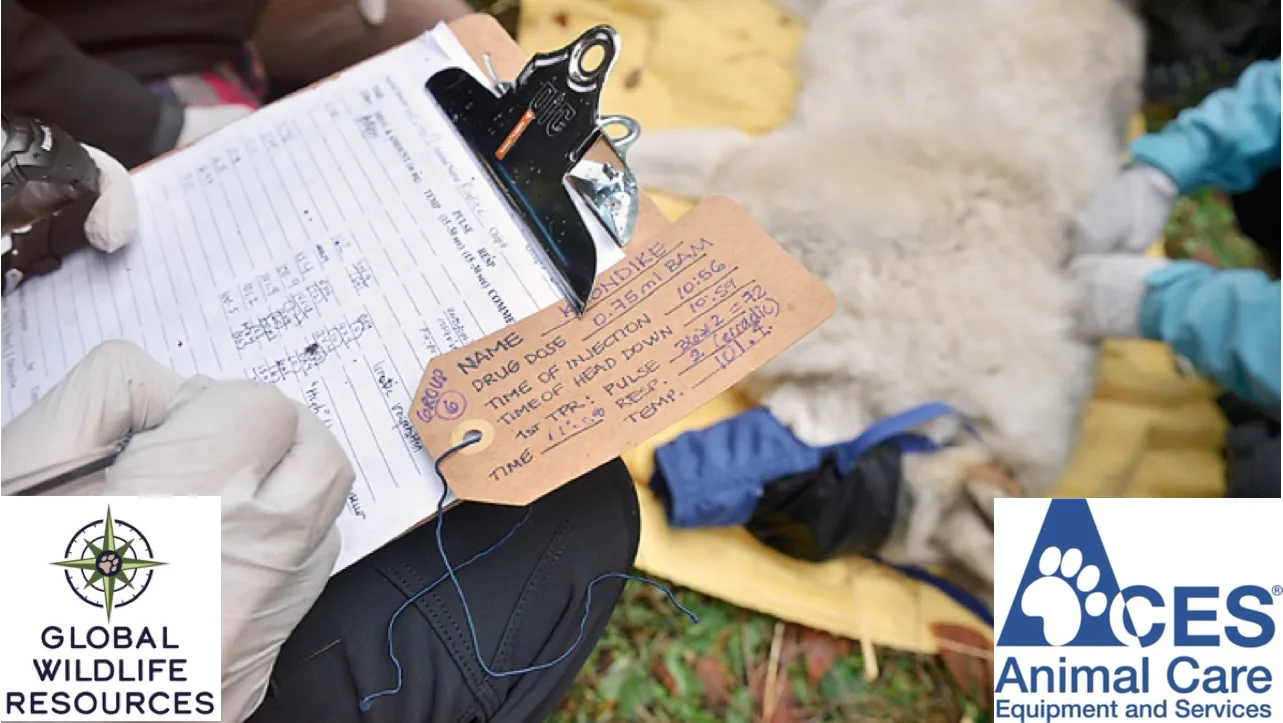
Chemical capture training is essential for professionals who may need to immobilize animals safely, humanely, and with as little stress as possible. In the field, the decision to use chemical capture is not just about having the right equipment. It also depends on understanding legal responsibilities, dosage calculation, medication delivery techniques, equipment handling, and post-capture animal care. At ACES, we frame our training this way as well, noting that our training is designed to equip animal control professionals with the knowledge and skills needed to safely and humanely immobilize animals when necessary.
That distinction matters because chemical capture involves much more than delivering medication. A successful response depends on judgment before, during, and after the event. The person handling the situation needs to know when chemical immobilization is appropriate, what method makes the most sense, how to prepare for the animal’s condition after capture, and what supporting tools may be needed throughout the process.
Why Training Comes Before Equipment
One of the most important reasons chemical capture training matters is that equipment alone does not create a safe outcome. A darting or delivery system can be highly effective, but only when used by someone who understands the technique, the medication plan, the handling process, and the animal’s needs after immobilization. We make this clear in the course description by emphasizing that training covers both delivery and post-capture care, not just the moment of immobilization itself.
In practical terms, strong chemical capture training helps professionals prepare for several critical parts of the job:
- knowing when chemical immobilization is appropriate
- calculating dosage carefully
- selecting and handling delivery equipment correctly
- planning for monitoring and care after capture
- understanding the legal and professional responsibilities involved
For animal control teams, wildlife officers, and other professionals, that knowledge can help reduce stress, support safer handling, and improve decision-making in the field.
The Types of Equipment Professionals May Use
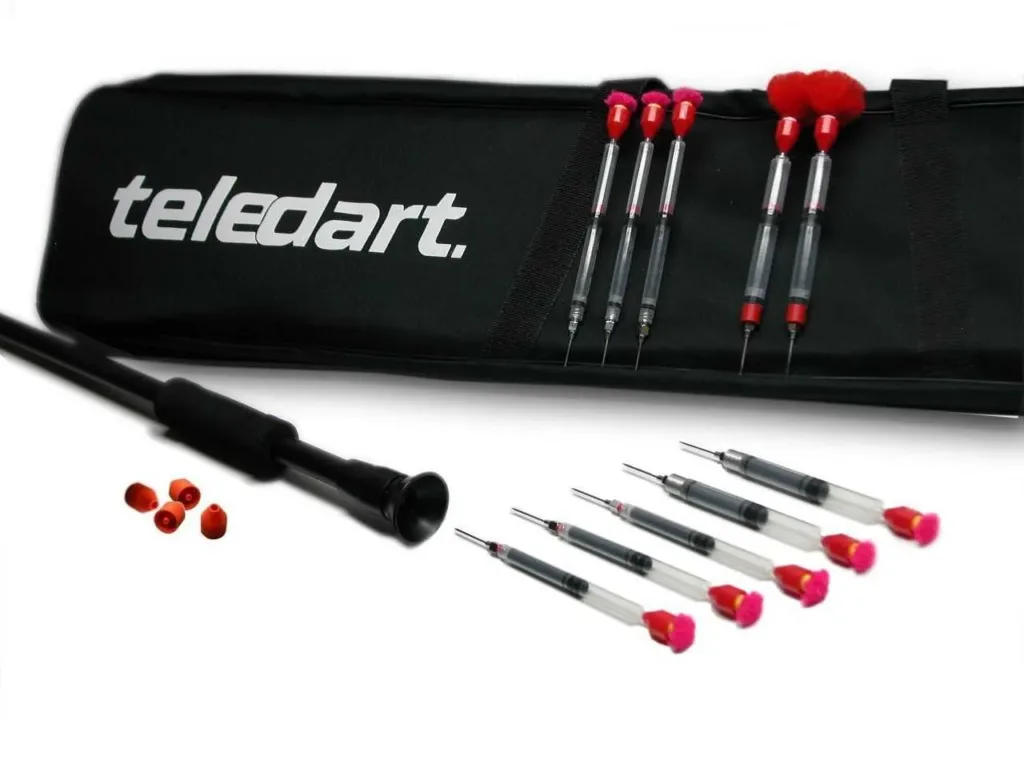
On our ACES website, the Veterinary & Chemical Capture category shows that chemical capture can involve a range of delivery methods depending on the situation. The category includes Pneu-Dart Darting Equipment, TeleDart Advanced Darting Systems, Blowpipes, and Pole Syringes. We describe these services and systems as part of a humane, professional approach to protecting both animal health and public safety.
That variety is another reason chemical capture training is so important. Different situations may call for different tools, and professionals need to understand not only how each system works, but also when one option may be more appropriate than another. A distance-delivery system, for example, involves different handling considerations than a pole syringe or blowpipe. Training helps bridge that gap between owning equipment and using it responsibly.
Why Post-Capture Care Is Part of the Conversation
Another key point in chemical capture training is that the job does not end once an animal is immobilized. Monitoring, handling, identification, and safe follow-up steps all matter. With additional product categories tied to the same section, including Animal Scales, Drug Safe & Sharp Disposal, Microchip Scanners, and Targets & Projector Kits, it becomes clear that this work involves much more than the moment of delivery alone. That broader lineup supports the idea that chemical capture is part of a full professional process, not a single isolated action. It also reinforces the importance of being prepared for what happens before, during, and after immobilization so both animal welfare and handler safety remain a priority.
A Smarter Approach to Safer Outcomes
At its core, chemical capture training is about preparation, judgment, and humane response. It helps professionals move beyond equipment familiarity and build the skills needed to make better decisions in real situations. We strengthen that approach by offering both Chemical Capture Training and a broad Veterinary & Chemical Capture category in one place. For organizations that need both education and field-ready tools, we offer a more complete path to safer, more professional chemical capture practices.